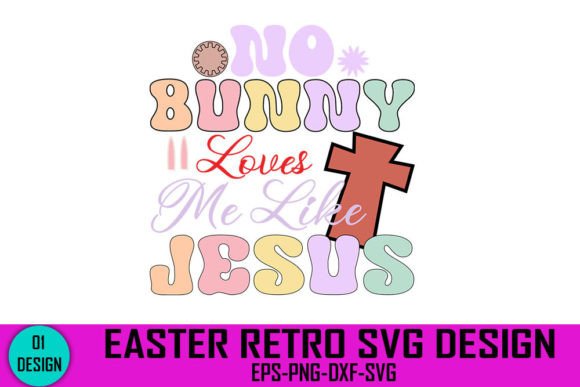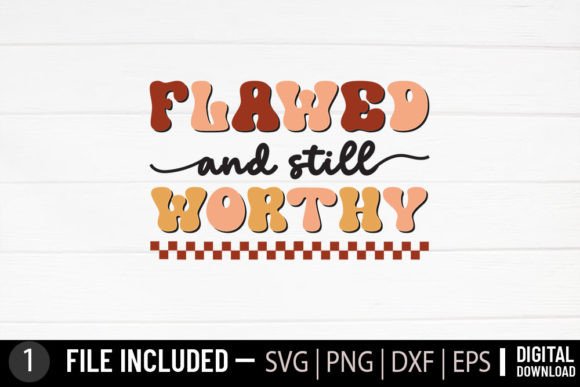
Flawed and Still Worthy – A Hands-On Design Review
When I first unzipped the file for Flawed and Still Worthy – Jesus Christia, I was immediately struck by the weight of the title. As a designer who has digitized thousands of graphics for custom apparel and handmade products, I’ve learned that a name sets the tone long before the needle hits the fabric. This one feels personal. It feels like a story. And in the world of machine embroidery design, a design that tells a story is a design that sells.
This digital asset arrives as an EPS, SVG, PNG, and DXF file. It is categorized under Graphics and Crafts, which perfectly describes its dual nature. It is a graphic meant to be printed, but its structure invites a needle and thread. The promise of 100% vector shapes resizable and 100% color changeable immediately tells me that this is a flexible asset, not a rigid, pre-digitized lump. It gives me, the embroidery professional, the creative control I need to adapt it to a specific project, hoop size, and fabric type.
First Impressions: The Emotional Anchor of the Design
The visual personality of Flawed and Still Worthy – Jesus Christia leans into a modern, heartfelt aesthetic. It avoids the overly ornate, heavy-handed religious imagery that can sometimes feel dated. Instead, the layout feels intentional—likely a powerful combination of typography and symbolism. The message resonates with a broad audience: church groups, individuals seeking personalized gifts, and small shop owners looking for meaningful merchandise.
From a designer’s perspective, the mood is one of redemption and grace. This is perfect for:
- Custom apparel like sweatshirts and t-shirts for faith-based events.
- Holiday embroidery for Easter, confirmation, or Christmas gifts.
- Tote bag design for church fundraisers or boutique shops.
- Embroidered patches that can be applied to jackets, backpacks, or hats.
The emotional anchor is strong. It immediately sets the expectation that this is not just a decoration; it is a statement. And that makes it a high-value asset for an Etsy seller or a craft business.
From Digital File to Stitched Reality
Converting a graphic into a machine embroidery design is where the real judgment happens. The provided EPS and SVG files are clean and scalable. Because they are vector shapes, I can easily isolate elements, adjust the hierarchy, and prepare them for digitizing software. The DXF file is a welcome addition for anyone who wants to create an applique design using a precise cutting machine.
Here is how I evaluate the file for a real project:
- Stitch Density: Since the design is a graphic, I need to be mindful of stitch density. The vector shapes are clean, which means I can assign satin stitches for the text and fill stitches for larger solid areas without excessive underlay that might distort the fabric.
- Color Changeable: The 100% color changeable promise is a huge plus. For a holiday gift like a personalized sweatshirt, I can easily offer the design in gold, white, or black thread to match the garment color.
- Resizable: The vector format allows me to scale the design for a 4x4 hoop for a cap or a 10x6 hoop for the back of a jacket without losing quality. This is critical for small business owners who need to offer multiple product variations.
Real Case Scenario: The Custom Sweatshirt Line
Let me walk you through a real use case. Imagine you are an Etsy seller preparing a fall collection. You want to offer a premium, custom embroidered sweatshirt. You load the SVG of Flawed and Still Worthy – Jesus Christia into your design software. You scale it so the main text sits comfortably across the chest. Because the vector shapes are resizable, you don’t have to worry about pixelation or jagged edges.
In your digitizing software, you assign a dense fill stitch to the background of the cross and a running stitch for the fine details. The result is a crisp, professional-looking design that holds up well on the textured fabric of a sweatshirt. The message is clear, the stitching is clean, and the finished product feels like something a customer would proudly wear and share.
Where This Design Shines (and Where to Be Cautious)
Every design has its ideal habitat. Flawed and Still Worthy – Jesus Christia performs exceptionally well in specific applications, but it also requires some careful consideration.
Where It Shines
- Custom Apparel: Sweatshirts, hoodies, t-shirts, and jackets. The design carries a strong message that works beautifully for faith-based apparel lines.
- Handmade Products: Tote bags, pillow covers, and tea towels. The design adds a thoughtful, personalized touch to home decor.
- Embroidered Patches: Because of the clean vector shapes, you can easily create a patch with a merrowed edge or a hot-fix applique.
- Commercial Embroidery: If you are a shop owner, this design is a strong candidate for a standard offering. It appeals to a wide demographic, from church groups to individuals looking for meaningful gifts.
Where to Use It Carefully
- Small Hoop Sizes: If you plan to use a 4x4 hoop, be very careful with the level of detail. Small text or intricate shapes might become too dense or lose clarity. Always test the design scaled down to ensure the stitch density is still manageable.
- Textured or Stretchy Fabric: Fabrics like thick fleece, performance knits, or lightweight t-shirts can cause registration issues. Use a high-quality stabilizer (cutaway for stretchy fabrics, tearaway for stable wovens) to keep the design crisp.
- Dark Fabric: If you are stitching on dark fabric, test the thread colors carefully. The design’s 100% color changeable feature allows you to use white, gold, or light blue thread to create contrast. A black or dark blue design on a black shirt will be invisible.
- Curved Surfaces: If you are placing this design on a cap or a curved surface like a sleeve, make sure the layout is adapted. Dense fill stitches on a curved surface can cause the fabric to pucker.
The Designer’s Pre-Flight Check
Before you commit to a production run, I highly recommend running through this checklist. It will save you time, thread, and frustration.
- Test on Scrap Fabric: Always stitch a test sample on the exact fabric you plan to use. This is non-negotiable. It allows you to see how the stitch density behaves and whether the thread colors pop the way you want.
- Check Thread Color Contrast: The design is 100% color changeable, so take advantage of this. Create a few mockups with different thread colors. A gold thread on a navy sweatshirt creates a premium, regal look. A white thread on a heather gray shirt feels clean and modern.
- Review Stitch Density: Because this is a graphic asset, the original file might have heavy solid areas. When digitizing, reduce the density if necessary to prevent the design from becoming too stiff, especially if it is going on a soft garment like a t-shirt or baby clothes.
- Confirm Hoop Size: The vector files are resizable, but you must respect your hoop limits. A design that is too large for the hoop will need to be reworked or split into multiple hoops.
- Inspect Small Details: Zoom into the PNG and SVG files. Look for tiny details that might not translate well to thread. Any element smaller than 1/8 of an inch might be lost in the stitching process.
- Verify Licensing: Since this is a Graphics and Crafts asset, confirm the End User License Agreement (EULA) before selling finished products or digital files. Most graphics allow commercial use for finished physical products, which is exactly what you need for your embroidery business.
The Business of Faith-Based Design
From a business perspective, Flawed and Still Worthy – Jesus Christia fits into a consistently strong market. Faith-based designs are a staple for many small shop owners and Etsy sellers. They are purchased for:
- Personalized gifts for baptisms, confirmations, and holidays.
- Church groups ordering custom apparel for retreats or events.
- Boutique products that offer a message of hope and resilience.
The design’s title is particularly clever. “Flawed and Still Worthy” is a phrase that transcends a purely religious context. It touches on themes of mental health, self-acceptance, and personal growth. This broadens your potential customer base significantly. You can market it not just as a religious item, but as a motivational, empowering piece of wearable art.
Because it is a print ready graphic and a digital embroidery file starter, you can also use it for printable mockups and design assets for your online shop. A beautiful mockup of the design on a tote bag or a sweatshirt can dramatically increase buyer engagement and trust.
Final Verdict: A Valuable Asset for the Right Project
After spending time with Flawed and Still Worthy – Jesus Christia, I can confidently say that it is a well-crafted, emotionally resonant asset. It is not a pre-digitized file that limits your options. Instead, it provides the raw materials—the vector shapes, the scalable format, the color flexibility—that allow you, the designer, to create a truly exceptional finished product.
It is perfect for the craft business owner who wants to offer something meaningful. It is ideal for the hobbyist looking to create a one-of-a-kind personalized gift. And it is a strong addition to any commercial embroidery lineup.
My advice is to treat this design as a foundation. Test it on your machine, experiment with thread colors, and adapt it to your favorite products. Whether you stitch it onto a simple tote bag or a premium sweatshirt, the message is clear: this design is ready to be turned into something real, something lasting, and something worthy of the work you put into it.